AMERICAN WEDDINGS BLOG
Stay up to date with the latest wedding ceremony trends, script writing inspiration, tips and advice for first-time officiants, and news that matters to couples and wedding ministers.
Stay up to date with the latest wedding ceremony trends, script writing inspiration, tips and advice for first-time officiants, and news that matters to couples and wedding ministers.
Published Monday, May. 11th, 2026 | Last updated Monday, Aug. 10th, 2026

All of AMM’s best free advice for professional wedding officiants in one easy-to-use mega-guide
You officiated your first wedding, and now you’re hooked! Becoming a professional wedding officiant is a natural next step for AMM Ministers who discover they love the joy of leading a marriage ceremony and the responsibilities that come with this detail-oriented career.
Professional wedding officiants need patience, flexibility, precision, and grace under pressure. You’ll need to respond quickly to unexpected changes, and handle other people’s emotions with care and compassion. And just like friends and family members who officiate, professional officiants must follow all state laws governing minister registration and handling the marriage license.
But unlike friend-officiants, you must also handle all the daily tasks of running a business and maintain detailed records of every aspect of the work you do. Your days may be a mix of marketing, scheduling, invoicing, bookkeeping, fielding inquiries and answering emails, finding new clients, and filing your taxes. For officiants who specialize in custom ceremonies, the work doesn’t end there — you’ll also spend time interviewing your couples, writing original wedding scripts, and learning new unity rituals and cultural traditions. It’s a lot to do!
In fact, the time you spend in front of guests actually leading a wedding ceremony is often the least time-consuming aspect of a professional officiant’s role.
|* ordination-button *|
Up for the challenge and ready to get started?
Over the years, AMM has published dozens of articles to help new ministers take a “leap of love” toward becoming a professional officiant. With such a deep online archive to dig through, it’s easy to become overwhelmed.
To help you navigate all the free resources we have to offer, we’ve created a mega-guide of officiant business tips and advice – all our best advice for professional wedding officiants in one place.
We’ve organized these resources into useful categories that are focused on different parts of starting and operating a wedding officiant business (see the complete Table of Contents below).
When you’re ready, dive in! Bookmark this resource to return to whenever you need it.
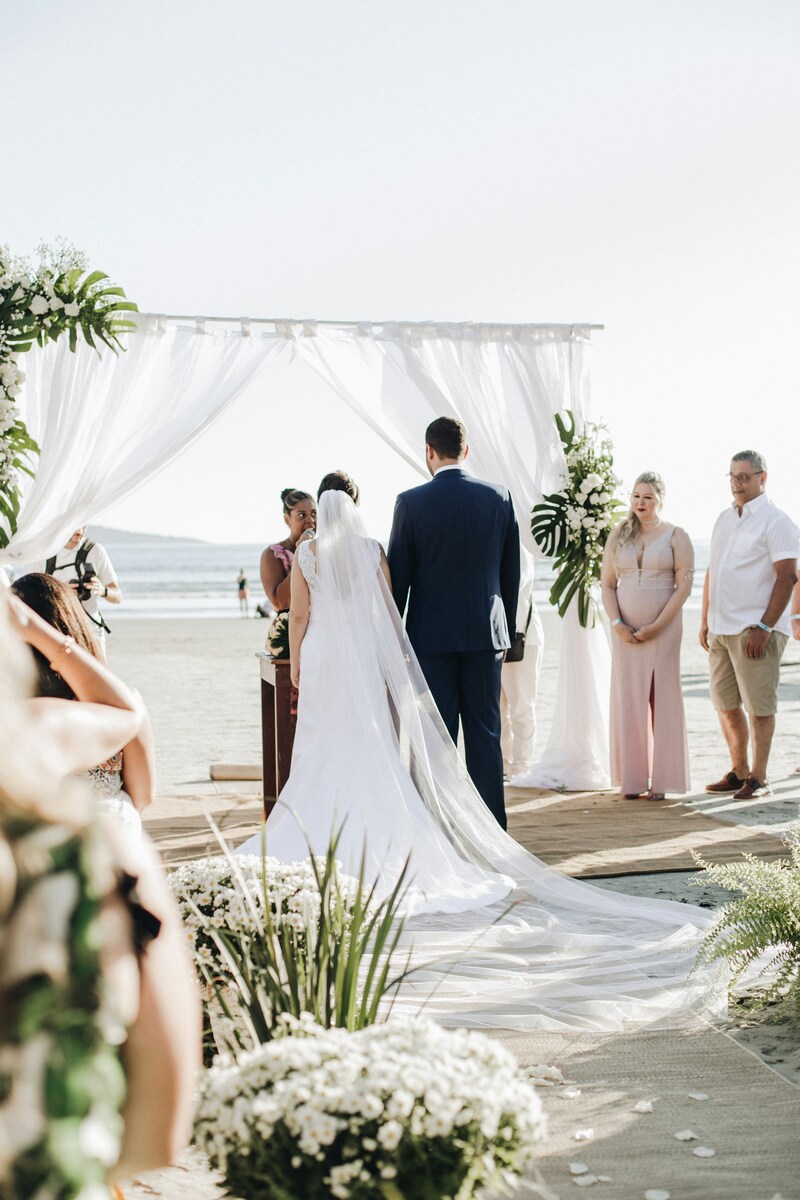
(Photo: Getúlio Moraes / Unsplash)
TABLE OF CONTENTS: COMPLETE OFFICIANT BUSINESS GUIDE
SECTION ONE: Legal Foundations & Certification for Wedding Officiants
Get ordained online to officiate
Minister Registration in each state where you officiate
Performing marriage in multiple locations
Other legal considerations for wedding officiants
SECTION TWO: Business Setup & Operations (The Infrastructure of Your Business)
Start-up basics: SOP, Payments, Digital Presence
Registering your officiant business
Creating a Wedding Officiant business contract
Pricing & Profitability (Making Your Business Financially Sustainable)
SECTION THREE: Claiming Your Niche & Branding Basics
SECTION FOUR: Marketing & Visibility (How Clients Find You)
Building your professional portfolio
Marketing Basics and modern outreach
Visibility, SEO, and Wedding Publications
SECTION FIVE: Advice on the Booking Process
SECTION SIX: Post-Wedding Workflow & Relationship Building
After the Wedding: Marriage License Filing & More
Building Lasting Relationships
SECTION SEVEN: Growth & Scaling Your Officiant Business
Expanding Your Wedding Services
Exploring Funeral Officiant Services
Officiating Other Rites: Beyond Marriages & Funerals
Officiant Scripts for Other Rites
SECTION EIGHT: Common Mistakes & Risks (and How to Prevent Them)
Handling officiant stress and burnout
Managing common wedding officiant mistakes and risks
Officiant “Wedding Emergency Kit” Resources
|* custom-button, "https://courses.theamm.org/amms-professional-wedding-officiant-course/", "PREVIEW THIS COURSE" *|

The legal requirements for performing marriage are primarily the same for professional officiants and a friend who officiates. Essentially, all officiants – regardless of how many marriages they perform – must be authorized in the specific jurisdiction where each ceremony takes place. The most straightforward path to this authorization is often becoming ordained online with a reputable church, and registering your minister credentials (if required by your state).
However, as a professional officiant, you are likely to officiate far more weddings than the average friend. You might officiate weddings in multiple states, or even other countries as a traveling wedding officiant. And you may even marry couples who later wish you hadn’t – along with other legal situations that most infrequent-officiants won’t need to consider.
These articles will help you refresh your knowledge of the legal basics behind performing marriage ceremonies, along with some situations that may be unique to professional officiants.
Here are a few additional legal considerations for professional officiants. (For questions about business contracts, head to SECTION TWO: Creating a Wedding Officiant business contract)
|* mop-button *|
When you first start a business, it's essential to tackle a few things right away: the types of ceremonies you'll perform, your standard operating procedure (SOP), pricing and payment methods, a website and social media presence to create credibility, business registration and tax responsibilities, a formal contract and terms of service, and so on.
Below are a few introductory resources to help you start your business. We encourage you to continue researching beyond this list, and to learn all you can about running a success business.
As part of your business plan, you'll need to define your "standard operating procedure," which are written, step-by-step instructions on how to handle your most common business activities. These instructions are for you and any future employees or partners you work with – they'll help you create consistent business practices, and prepare for new complexities and potential complications as your business grows.
You'll also want to set up a professional website, establish your rates, and decide on streamlined, professional payment methods that protect both you and your clients from fraud.
If you wish to start a formal business, it’s important to follow the business registration laws in your state. Some people choose to form an LLC (Limited Liability Company) which helps protect your personal assets while doing business. Others prefer the relative simplicity of Sole Proprietorship for side-hustles or just starting out, while friends who form a business together might choose a General Partnership structure.
The business structure that works best for you often depends on the volume of business you do (the number of weddings you perform), your risk-tolerance, and your long-term goals. AMM does not offer many resources on business formation – we recommend you do your own research to make the right choice for your goals.
We gathered a few helpful introductory resources on setting your rates as a new officiant, and what to consider when raising or lowering your prices. This advice is a great starting point for new officiants, although we strongly recommend talking with a tax professional or accountant for the detail-oriented aspects of financial planning in business!
A wedding officiant’s “niche” describes their specialty (and helps the right clients find them). Your niche can be broad – such as “secular weddings” or “Pagan handfastings” – or it can be hyper-specific – such as “costumed comic con elopements for Marvel fans,” or “eco-friendly hiking / camping weddings in state parks.”
There are many different opinions on how soon an officiant should claim their niche. Some people insist that specializing right away is the key to standing out in the industry, while others insist that new professionals should wait and refine their skill before branding themselves in a specific way.
Regardless of your approach, it’s important to decide a few things early: the types of ceremonies you don’t want to do, your maximum travel radius, and your “ideal client.” The answers to these questions will help you begin to define your niche and personal brand. The following resources will help you get started.
To stay in business you’ve got to do some business! Attracting new clients often comes down to a mix of marketing, visibility, and persistence. You’ll need a strong portfolio. And you need to be easy to find – you want your name to pop up wherever couples go searching for officiants. Here are some resources to help you market your new business effectively.
|* store-button *|
Part of being a professional wedding officiant is learning how to handle inquiry calls and emails from potential clients, converting leads into clients, and keeping track of your upcoming bookings.
Some officiants use paid all-in-one booking services to handle scheduling (your calendar), contracts, and payments in one place; while others prefer free scheduling services or appointment trackers. The best choice for managing bookings usually depends on your budget, volume of business, and the number of additional outside responsibilities you’re juggling.
Here are a few resources to help you navigate the booking and sales conversion process.
See it from your client’s perspective: What if Your Wedding Officiant Cancels? 3 Ways to Save the Day
One of an officiant’s most important post-wedding responsibilities is handling the marriage license. This includes signing the license, and in most cases, returning the completed marriage license to the correct office so that it can be recorded. We’ve covered the marriage license topic thoroughly from multiple angles to ensure you find the answers you need to feel confident and prepared on the wedding day!
We also have valuable resources on building long term relationships with couples, as well as networking with other vendors in your community. While you may only marry a couple once, many officiants find these “one-time” relationships can often lead to word-of-mouth referrals, vow renewals, baby blessings, and other related services down the road. Many officiants tell us they end up seeing their couples again in the future – you never know where a relationship will lead!
Over time, many professional officiants become interested in growing their marriage offerings, establishing a physical location or starting their own church, or providing ceremony services beyond weddings and elopements. Some officiants enjoy performing baby blessings and naming ceremonies, while others feel a calling toward funeral and memorial services.
Some officiants also supplement their offerings and income by providing relationship coaching, officiant coaching (for new professionals), and collaborative vendor workshops.
Whatever your new direction, the following resources can help you get started.
These resources are designed to help you manage wedding-related stress and burnout, along with advice on how to handle some of the most common mistakes that wedding officiants make – from what happens if the officiant forgets to file a marriage license, to handling guest interruptions during the ceremony.
Mistakes are a part of life – and performing a wedding is no exception to the rule! Over the course of your career, you may find yourself managing a variety of errors, missteps, and blunders. You’re human! These resources will help you move forward with self-forgiveness, professionalism and grace, and avoid additional mistakes in the future.
Speaking of prevention: an officiant’s wedding emergency kit is one of the best ways to save the day after a mishap. Every professional wedding officiant has one, usually customized with their wedding niche in mind. These kits include items like stain-remover pens, safety-pins, bandaids, sunscreen, protein bars, and deodorant – items that go a long way on a stressful wedding day! See a variety of emergency kit resources below to build your perfect, personalized kit.
Want to learn more? Continuing education is an important part of thriving as a professional wedding officiant. We love seeing our ministers continuously develop their skills, learn new skills, and challenge themselves! The student mindset is one of your most valuable assets in the wedding industry, because it’s an industry that is always evolving! This mix of free and paid education resources is a great place to start, and revisit, on your professional path.


Choose Your Officiant with our "Will You Marry Us?" Gift Package.
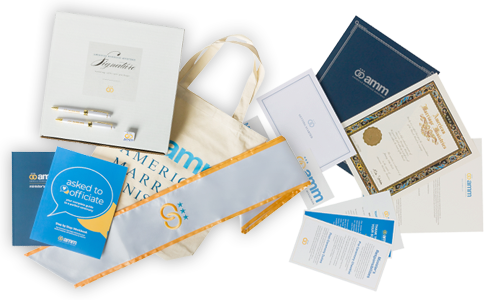
Our premiere package contains everyting you need to officiate like a pro.
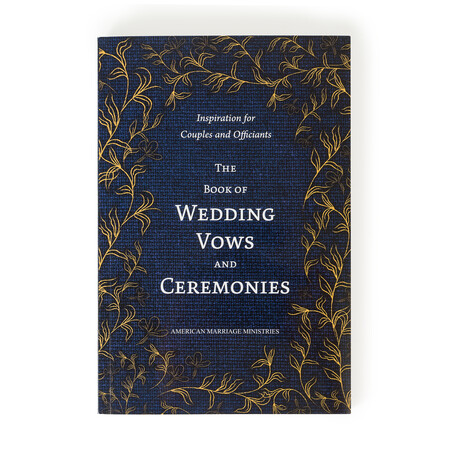
Timeless scripts and heartfelt vow inspiration to bring life to your ceremony.
Learn from the Pros to Officiate with Confidence!
POPULAR ARTICLES

Everything you need to know to officiate.

Need inspiration? Check out our free ceremony scripts!
Become a Wedding Officiant with Our Free Online Ordination!


