AMERICAN WEDDINGS BLOG
Stay up to date with the latest wedding ceremony trends, script writing inspiration, tips and advice for first-time officiants, and news that matters to couples and wedding ministers.
Stay up to date with the latest wedding ceremony trends, script writing inspiration, tips and advice for first-time officiants, and news that matters to couples and wedding ministers.
Published Friday, May. 2nd, 2025

You’d have to be living under a rock not to have heard the word ‘tariff’ in the past couple months. A very expensive rock, on another planet, that even Blue Origin can’t reach.
And since we’d bet a bucket of meme coins that you have heard the word tariff by now, a few dozen times at least, along with some lengthy explanations of what they are and why some people are passionately for or against them, we’ll skip that part.
We’re going to jump right into what higher tariffs could mean for the wedding industry in the coming months – especially for wedding officiants and other vendors.
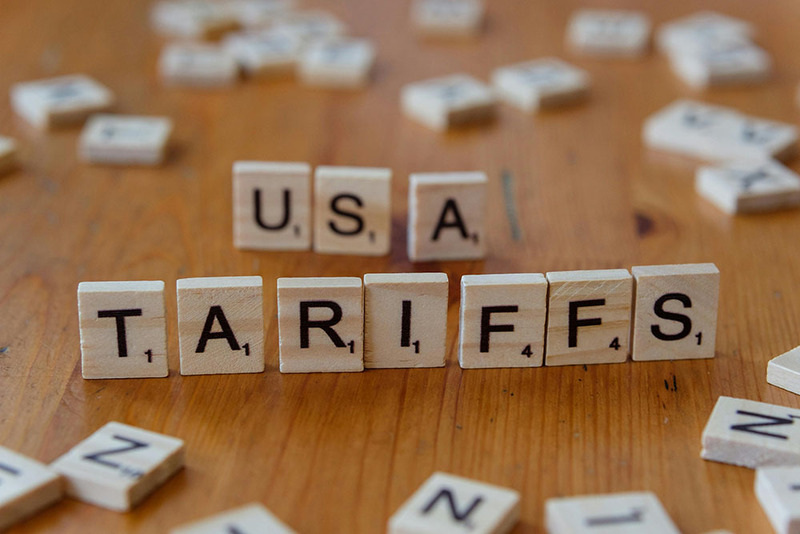
(Photo by Markus Winkler / Pexels)
A lot of common wedding products – from simple stationary to bridal makeup, wedding dresses to designer shoes, food to flower arrangements – are produced in countries with new or increased tariffs.
Some examples?
As you can see, costs can add up fast.
This means that many (or most) wedding products and services will become more expensive, as business owners raise their prices to afford the increased costs of importing these items.
The types of items available to customers might be impacted too. Businesses might choose to carry fewer products because the upfront costs of inventory are higher, combined with higher risk that more-expensive items won’t sell. This could mean fewer options for customers, at higher prices.
Related: How Much Does the Average Wedding Cost?
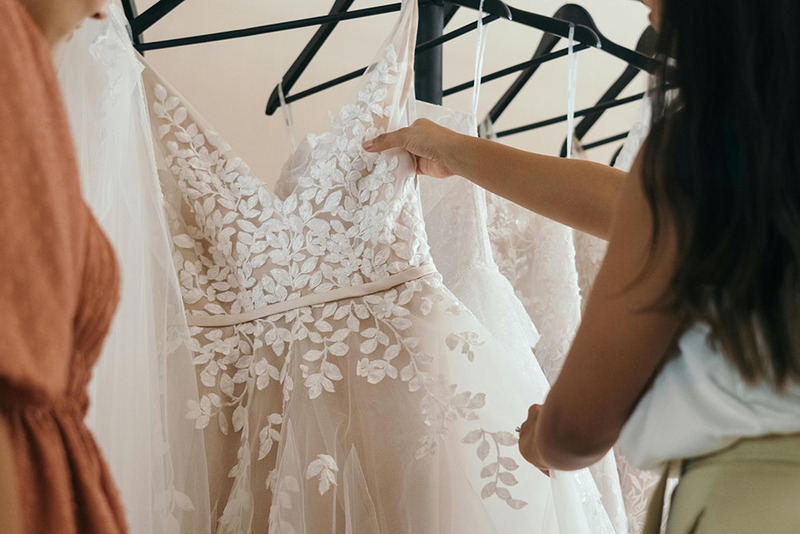
At the time of writing, the US has placed 145% tariffs on Chinese goods, which means that businesses must pay the federal goverment $145 for every $100 worth of goods they purchase from China. In addition, a universal 10% minimum tariff was placed on all goods imported from all countries, with some countries seeing higher rates, in the 20-40% range. Many business owners won't be able to afford these increases on their own, and some or all of this extra cost will likely be passed on consumers. (Photo by Los Muertos Crew / Pexels)
Couples getting married might be surprised to learn that tariffs could also impact the cost of services and experiences, like booking a wedding venue, an adventure elopement, or a honeymoon rental.
Since wedding venues must regularly replace and restock everything from linens to light bulbs to keep their spaces running smoothly, their overhead costs will probably go up. The cost of food and alcohol might also be impacted. Depending on the venue or experience offered, operating costs could go up a lot.
Larger and more established venues might be able to absorb these higher operating costs – footing the bill from their own profits so that prices aren’t passed on to customers. But most businesses, especially smaller venues, new venues, sole-proprietors, and businesses in competitive rental markets, will have to pass on some or all of their higher costs to couples.
This means that booking a wedding venue will probably cost more across the country. With the average cost of a wedding venue already hovering around $12,800, we expect to see a lot of couples trying to save money with backyard weddings and creative elopements.
And unfortunately, some venues might have to close down before the economy stabilizes. We recommend businesses and couples alike check those contracts and cancellation clauses now – and plan ahead for possible closures in the coming months (similar to those we saw during COVID).
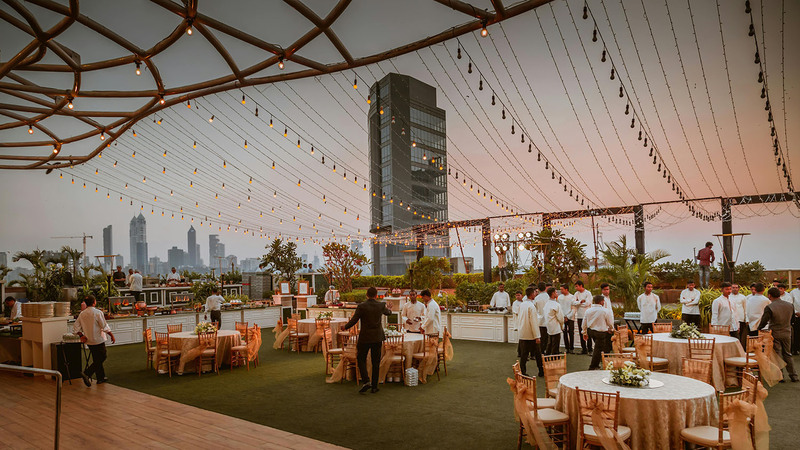
The average cost of wedding services and experiences will likely go up too, as businesses raise their prices to cover higher operating costs. (Photo by rosario fernandes / Pexels)
Wedding officiants will likely be impacted by new and increased tariffs too. This might show up as more frequent cancellations by couples – who are feeling the money crunch and choose a friend officiant instead – or an increase in couples asking about a simple license signing ceremony or elopement.
Officiants might see higher costs for gas and car repairs when traveling to and from ceremonies; higher wardrobe costs; higher costs for office supplies, and higher costs for administrative services, such as the cost of hiring a tax accountant or insuring your business.
|* ordination-button *|
So, what should wedding vendors and couples do with this info? Can wedding businesses avoid tariffs legally? There’s no one-size-fits-all solution for every couple, and vendors in different sectors of the wedding industry will also need different strategies.
Buying products made in the US is one strategy to avoid tariffs. Wedding jewelers could choose to feature local artisan jewelry, made with locally-sourced gemstones and metals; dressmakers might buy local fabrics; and flower shops could choose locally-grown flowers and greenery, for example.
Florist Mistine Boren, of Studio Mistine Floral Design in Austin, Texas, told 13NewsNow that’s exactly what she plans to do: “I’m actually sourcing more wild local flowers so I don’t have to deal with these tariffs,” she says.
This ‘buy local’ approach is one of the best defenses against high tariffs, but it won’t necessarily reduce consumer prices -- many locally-produced items already cost more than imported goods, in part because of fair labor laws. There's not enough domestic production to meet demand either, so this strategy will only go so far.
Buying previously-used items could help both businesses and couples. Wedding consignment shops might see a boost in business because used clothing isn’t subject to import fees – it’s already here! Secondhand wedding shops will probably benefit from promoting themselves as a smarter, less expensive alternative.
Wedding officiants and other vendors might also benefit from offering low-cost packages for couples who suddenly have less to spend. Providing license-signing services and elopement packages at a lower price point than a full-service custom ceremony could attract more couples, for example, without sacrificing your overall brand image.
As you can see, it might take time to find the best solution – and a lot could change in the future as international trade deals shift and stabilize.
At the end of the day, weddings are about love, and that’s never in short supply! As long as couples continue to get married, the wedding industry will continue to innovate, inspire, adapt, and find new footing.
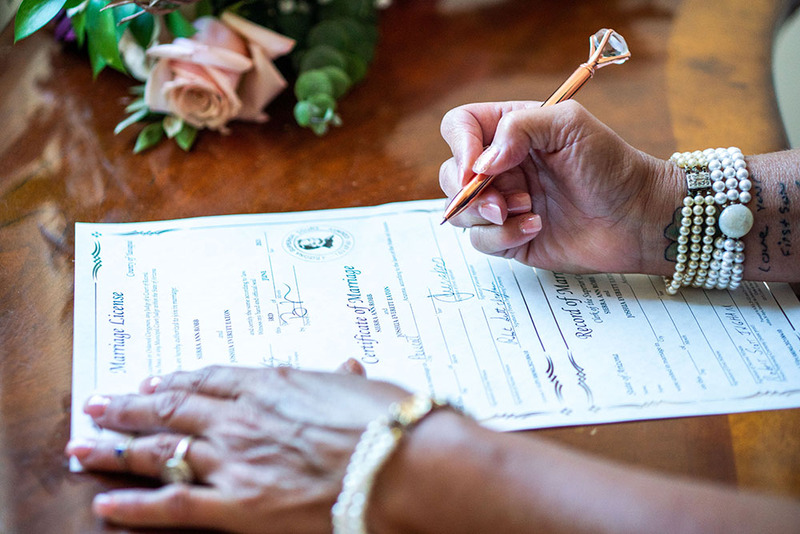
The wedding industry will adapt, and there is still plenty of love to go around. (Photo: Allison / Adobe Stock)


Choose Your Officiant with our "Will You Marry Us?" Gift Package.
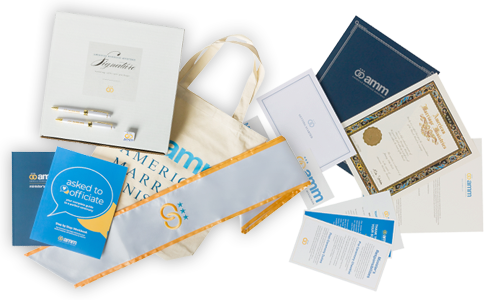
Our premiere package contains everyting you need to officiate like a pro.
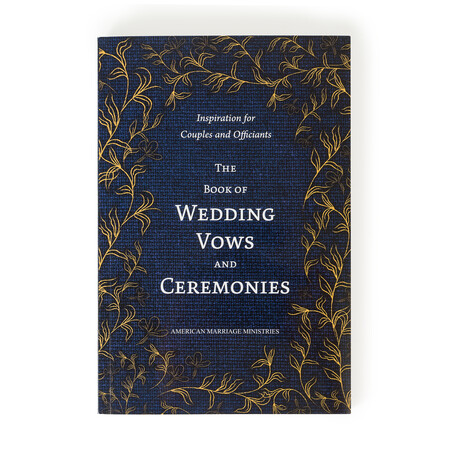
Timeless scripts and heartfelt vow inspiration to bring life to your ceremony.
Learn from the Pros to Officiate with Confidence!
POPULAR ARTICLES

Everything you need to know to officiate.

Need inspiration? Check out our free ceremony scripts!
Become a Wedding Officiant with Our Free Online Ordination!


