AMERICAN WEDDINGS BLOG
Stay up to date with the latest wedding ceremony trends, script writing inspiration, tips and advice for first-time officiants, and news that matters to couples and wedding ministers.
Stay up to date with the latest wedding ceremony trends, script writing inspiration, tips and advice for first-time officiants, and news that matters to couples and wedding ministers.
Published Friday, Jan. 16th, 2026 | Last updated Thursday, Jan. 15th, 2026

Recently, several people have made headlines by “marrying” fictional characters or custom-made AI companions in symbolic commitment ceremonies. These articles often include unfamiliar terms and new concepts, but don’t have much time to explain them.
Fandom culture is often vibrant and complex, but it can also be confusing to newcomers. And with AI technology advancing rapidly, it can be hard to keep up with how our relationships with it are changing – especially when it comes to love and romance.
With that in mind, we’ve put together a glossary of terms related to the 2D wedding and AI wedding trends, with additional links for readers who want to learn more. We will continue to update this list as needed.
2D wedding: A symbolic ceremony uniting a human partner with a fictional character from media (a 2D partner), such as anime, video games, literature, film, etc. Sometimes used interchangeably with “AI wedding,” though there are nuances and distinctions between the two.
AI wedding: A symbolic ceremony uniting a human partner with a custom-made AI companion, a persona created with the help of AI-assisted technologies, such as ChatGPT or the Replika app. AI companions may be based on existing characters, or on a person’s imagined ideal. Sometimes used interchangeably with “2D wedding,” though there are nuances and distinctions between the two.
AI companion: A custom-made persona created using large language models (AI), that someone has formed a strong emotional, romantic, or sexual attachment with. A virtual partner created with AI technology that is viewed as a “significant other.”
Fictosexual / Fictosexuality: A person who feels emotional, romantic, or sexual attraction to fictional characters, either exclusively or as an extension of another orientation. Sometimes considered part of the asexual spectrum (similar to aegosexual), but not always.
F/O or fictional other: A fandom term for a fictional character that someone has strong romantic or sexual attachment too, seeing them as a “significant other.”
Husbando: A term from anime and manga fandom for a male character that someone feels strong romantic or sexual attraction towards, seeing them as a “significant other,” like a fictional husband or boyfriend. (counterpart to waifu)
Oshi (推し): In Japanese fan culture, your favorite character from anime, video games, film, and other media. Your Oshi is the character you’re deeply devoted to and actively support.
Symbolic wedding ceremony: A non-legal ritual in which two or more partners make a shared commitment of love or devotion. These ceremonies sometimes resemble traditional wedding ceremonies, with an exchange of vows, special attire, etc.
Waifu: A term from anime and manga fandom for a fictional female character that someone feels strong romantic or sexual attraction towards, seeing them as a “significant other,” like a fictional wife or girlfriend. (counterpart to husbando)
Yumeship / yumeshipping: Fandom terms for “self-shipping” – imagining a close platonic, romantic, or sexual relationship between yourself and a fictional character. These terms combine the Japanese word "yume" (meaning dream) and "ship" (short for relationship). Yumeships might be casual / for fun, or more serious (fictosexual).
Yumejoshi (夢女子) : A “dream girl;” Japanese fandom term for a female or femme fan who self-ships – a feminine aligned person who enjoys imagining or creating content featuring themselves and a fictional character. Usually this means a romantic or sexual relationship with characters from anime, manga, games, etc.
Yumedanshi (夢男子): A “dream boy;” The masculine form of yumejoshi; Japanese fandom term for a male or masc fan who self-ships – a masculine aligned person who enjoys imagining or creating content featuring themselves and a fictional character. Usually this means a romantic or sexual relationship with characters from anime, manga, games, etc.
Yumejin / Yumehito / Yumebito: Gender-neutral terms for "dream person” or self-shippers.
While you cannot legally marry a fictional character or an AI companion, you can hold a symbolic commitment ceremony to celebrate your devotion. These symbolic rituals are gaining visibility around the world, leading some to specul
Symbolic ceremonies can look and feel like a traditional wedding, with a few small changes. They can also look completely different and original – how you celebrate is up to you!


Choose Your Officiant with our "Will You Marry Us?" Gift Package.

Our premiere package contains everyting you need to officiate like a pro.
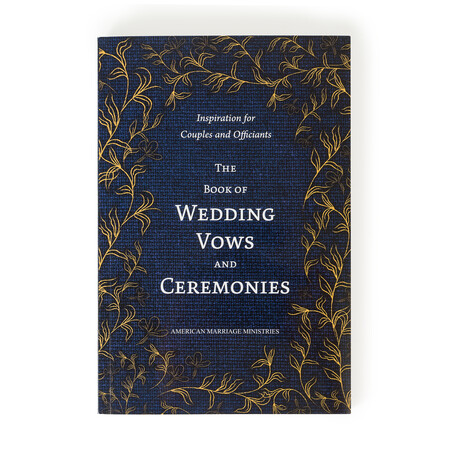
Timeless scripts and heartfelt vow inspiration to bring life to your ceremony.
Learn from the Pros to Officiate with Confidence!
POPULAR ARTICLES

Everything you need to know to officiate.

Need inspiration? Check out our free ceremony scripts!
Become a Wedding Officiant with Our Free Online Ordination!


