AMERICAN WEDDINGS BLOG
Stay up to date with the latest wedding ceremony trends, script writing inspiration, tips and advice for first-time officiants, and news that matters to couples and wedding ministers.
Stay up to date with the latest wedding ceremony trends, script writing inspiration, tips and advice for first-time officiants, and news that matters to couples and wedding ministers.
Published Thursday, Jan. 15th, 2026

NEWS SUMMARY:
Florida lawmakers have introduced “Shawnya’s Law” (SB 1316 / HB 485), which would classify certain cases of marriage fraud as domestic violence. It targets situations where a noncitizen enters a marriage to evade immigration laws, and abuses, manipulates, or harms their spouse. The law lets victims quickly request protective orders and notifies law enforcement and immigration authorities within 24 hrs.
Supporters say it will protect victims, but those against the bill say it's redundant with existing federal laws, and could be misused or complicate law enforcement processes. Wedding officiants aren’t responsible for checking immigration status, and are not directly included in this legislation.
AMM interviewed Thomas Kennedy from the Florida Immigrant Coalition for more details.
Florida legislators recently introduced a bill that could affect engaged or recently-married immigrants in the state – and that may cause concern for the wedding officiants there. The bill, called House Bill 485 (& Senate Bill 1316) would create a new law against “marriage fraud” for immigration purposes, and provide a fast legal path to a protective order and notification of law enforcement.
In effect, the bill redefines filing a deceitful marriage petition as a type of domestic violence, and is being described as a way to protect citizens from abuse by noncitizens. However, because it applies only to marriages involving non-U.S. citizens – and because federal marriage fraud laws already exist – it’s raising red flags with immigration advocates about how it might be used in practice.
AMM reached out to Thomas Kennedy, a Policy Analyst and Consultant at the Florida Immigrant Coalition, to learn more about the legislation. The Florida Immigrant Coalition, which opposes the bill, is a grassroots movement working to make the state more welcoming to immigrants, composed of community organizations, farmworkers, youth members, advocates, lawyers, union members, and many more voices.
Under this bill, a person could go to court and claim that their noncitizen spouse or fiance entered the marriage to avoid immigration laws and engaged in abuse, manipulation, or financial or emotional harm. The person making the claim could file for free, would not need a lawyer, and would not need to file criminal charges.
A judge could quickly issue a temporary court order, called an injunction, that limits contact with the victim and brings in law enforcement. This could happen before a full hearing takes place. Within 24 hours, a copy of the order would be sent to the State Board of Immigration Enforcement, which would coordinate with local law enforcement and the federal Government to enforce state and federal immigration laws.
Those in favor of the bill say that a new law could help protect victims who are tricked into fraudulent marriages and reduce barriers to safety and support.
The bill, called “Shawnya’s Law,” takes its name from a case involvng this unique type of harm: A Florida woman named Shawyna says she was tricked into a marriage with a Nigerian man, who used her to relocate his wife and child into the country. After setting up housing for his family, Shawnya says her husband became threatening and violent.
“Stories like Shawnya’s are more common than you’d think,” State Representative Kimberly Daniels told reporters when introducing the bill. Daniels says she’s currently helping more than a dozen women across the state in similar ways, and that these cases demonstrate the need for a new law.
(These types of statistics aren’t publicly available however, and are notoriously difficult to confirm.)
However, immigration advocates have voiced concerns about the bill’s potential effects, saying that it’s unnecessary and may have unintended consequences for law enforcement and noncitizens in the state.
“The biggest problem is that the law is redundant,” says Thomas Kennedy, a policy analyst with Florida Immigrant Coalition. In addition to his policy expertise, Kennedy also has first-hand knowledge of the process, having obtained citizenship through a marriage petition himself. A new law isn’t needed, he says.
It’s true – federal marriage fraud laws already exist – with severe penalties in place for filing a fraudulent marriage petition, including up to 5 years prison and $250,000 in fines, deportation, and the risk of additional criminal charges for all people involved.
HB485 wouldn’t cover new ground here, but instead link marriage fraud to domestic violence. "A lot of these fraudulent petitions would not qualify as domestic violence,” Kennedy points out.
There’s also the issue of consensual fraud, or contractual fraud – where a citizen marries a noncitizen for compensation, not for love. This type of deception, Kennedy says, is probably more common than the one-sided deceit Rep. Daniels addresses with this bill. People who enter these contractual marriages may intend to deceive the federal government, but they aren’t deceiving each other.
“One valid concern,” Kennedy adds, is that in these cases, “the party that has citizenship can cover their actions and say ‘the person was deceiving me,’” in order to avoid or evade legal consequences. Not only could this deepen the existing power imbalance between these couples, it could make things more complicated for law enforcement.
Similarly, an abusive partner could file, or simply threaten to file, an unfair claim against a noncitizen spouse as a means of control or coercion. Because the proposed law would require a copy of an injunction order be shared with law enforcement within 24 hours, including the state immigration enforcement agency, this kind of threat carries real weight. Even if a judge later throws a case out, an official record of alleged domestic violence and immigration status would exist – potentially complicating future immigration processes and draw unwanted attention from authorities.
This bill does not give AMM ministers and wedding officiants new legal responsibilities, and officiants aren’t required to check a couple’s immigration status. If a couple has a valid marriage license, an officiant can proceed with confidence.
However, because the proposed law involves marriage fraud, some officiants may worry about being pulled into legal disputes or court appearances later on if they officiate weddings for noncitizens. If an officiant is a friend or family member of the couple, and were ordained for the occasion, this situation could feel even more complicated or confusing.
This concern probably isn't needed: While it's true that anyone with relevant information in a civil dispute (including someone who performed or witnessed a marriage) can be contacted and questioned, it's uncommon. The small likelihood of being contacted probably won't go up in this legislation passes.
|* custom-button, "https://theamm.org/weddings-by-state/florida", "BECOME A FLORIDA WEDDING OFFICIANT" *|
There are already federal laws that make “sham” or “scam” marriages illegal (8 U.S. Code § 1325(c)). A new law wouldn't change that, but it could effectively categorize a deceitful marriage petition as a type of domestic violence.
There are early indications that the bill will not pass, but legislative outcomes are hard to predict. We’ll keep you informed if anything changes!
|* custom-button, "https://theamm.us17.list-manage.com/subscribe?u=f0a3d041bcb502c2df57329c3&id=cc74e737bc", "SUBSCRIBE TO THE AMM NEWSLETTER" *|
This article is informational only, and is not legal advice. If you have questions about this bill, or filing a marriage petition, please contact an immigration attorney or immigration advocacy group in your area for help. Some lawyers offer free (pro bono) or sliding scale services, and will be happy to speak with you.
HB 485 Sponsors: Representative Kimberly Daniels ; Representative Berny Jacques
SB 1316 Sponsors: Senator Clay Yarborough
If passed, the law could take effect July 1, 2026
This bill:
Creates a new legal category called “marriage fraud”
- defined as knowingly entering a marriage to evade immigration and engaging in violence, abuse, coercion, manipulation or emotional / financial harm
- applies when the alleged perpetrator is a noncitizen
Creates a new type of "petition for injunction" (protective order)
- victims can file a petition for injunction for protection against marriage fraud
- can be filed even without a criminal case and petitioners don’t need a lawyer
- no filing fees, and clerks must provide forms, information, and assistance
Create court processes for these injunctions
Strengthens law enforcement involvement
-only law enforcement officers may serve or enforce injunctions
- a copy of the injunction must be sent to the State Board of Immigration Enforcement within 24 hrs
- State Board of Immigration Enforcement must coordinate with local law enforcement agencies and the federal government for the purpose of enforcing state and federal immigration laws as appropriate
- law enforcement officers receive civil and criminal immunity when acting in good faith
Creates enforcement and penalties for violations, and more


Choose Your Officiant with our "Will You Marry Us?" Gift Package.

Our premiere package contains everyting you need to officiate like a pro.
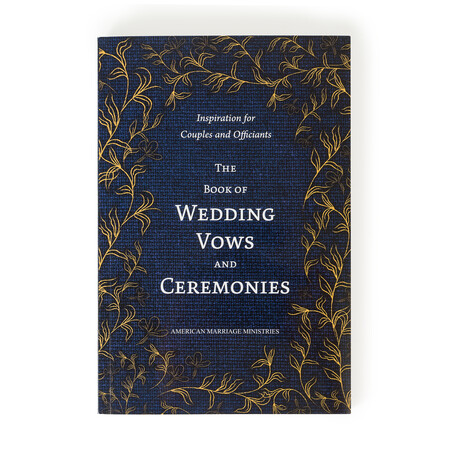
Timeless scripts and heartfelt vow inspiration to bring life to your ceremony.
Learn from the Pros to Officiate with Confidence!
POPULAR ARTICLES

Everything you need to know to officiate.

Need inspiration? Check out our free ceremony scripts!
Become a Wedding Officiant with Our Free Online Ordination!


