AMERICAN WEDDINGS BLOG
Stay up to date with the latest wedding ceremony trends, script writing inspiration, tips and advice for first-time officiants, and news that matters to couples and wedding ministers.
Stay up to date with the latest wedding ceremony trends, script writing inspiration, tips and advice for first-time officiants, and news that matters to couples and wedding ministers.
Published Thursday, Aug. 28th, 2025

One of our favorite unexpected wedding traditions is the “breaking of the bread," a lighthearted game of tug-of-war between newlyweds over a loaf of bread – trying wrestle the largest piece away from their lover. It's said to determine the “boss” in the marriage, and is a lively, funny twist on the traditional bread and salt ritual, that's sure to get you and your guests laughing!
|* custom-button, "https://theamm.org/store/products/will-you-marry-us-gift-package", "HAVE A FRIEND OFFICIATE YOUR WEDDING!" *|
The bread breaking wedding tradition usually happens at the start of your reception, and it’s an easy icebreaker to get family members from both sides of the wedding aisle talking. It can work in a few different ways:
A parent, sibling, or close friend will announce the start of the bread breaking ceremony. Stand either facing each other or back-to-back with your partner. Your loved one will hand you a loaf of bread, and then the fun begins!
You and your sweetheart will tug on the bread loaf in opposite directions, trying to wrestle away the largest hunk of bread. Whoever ends up with the largest piece wins, and is named the honorary “boss” or “breadwinner” in the marriage. (Or maybe just the boss of the wedding reception playlist…)
Then dip your bread in salt, or slather some butter, jam, or honey, and get that reception party started. Nothing soaks up a night of champagne and cocktails like a hard-earned hunk of victory!
And you never know who will win! Here’s how one Bulgarian bride describes the unexpected nature of the ceremony:
“The bride and groom stand with their backs towards one another and hold the bread over their heads. Once signaled, they both try to break the bigger piece of bread, which is supposed to symbolize who will be “the head of the house.” This was the funniest part of our reception because Valentin’s hands are quite bigger than mine and yet I broke off about 2/3 of the bread.” (via Lea-Ann Belter)
Buy a loaf of soft bread from your favorite local bakery for this ceremony, or bake your own together the night before the wedding. Crusty, hearty breads will work too – as long as you don’t mind picking breadcrumbs out of your hair for the rest of your night. You might want to avoid seed breads though…
Serve the same bread with your dinner menu to bring things full circle, and let guests know why you chose the bread you did! Whether you’re a foodie, a baker yourself, or just love a delicious meal, this personal addition is sure to be a hit.
This fun tradition is a wonderful opportunity to bring multicultural elements into your wedding day by choosing a bread that has its roots in your shared histories. You might consider a soft challah, a flat naan or lavash, a flavorful rugbrød or limpa, a pogacha bread, or a traditional Bulgarian round loaf like pitka.
You may also want to include this ritual in your shared itinerary to let guests know the symbolism behind it. This makes it a focal point of the celebration!
To write about breaking bread in your wedding program: share any specific cultural relevance, mention who’s participating (such as you and your parents), what happens, and what it symbolizes.
Sample wording:
“The Breaking of the Bread Ritual: In this multicultural twist on a [Bulgarian / Greek / Christian / etc.] wedding tradition, the newlywed’s siblings will present them with a loaf of traditional [Bulgarian pitka / Jewish challah / etc] bread. The couple pulls on the bread to see who gets the larger piece, winning the title of ‘breadwinner’ – and total power over the night’s playlist.”
This lighthearted wedding tradition puts a playful twist on the wedding bread traditions found in many cultures, including Bulgaria and Greece. Beyond the playful nature of the ritual, the tradition often symbolizes prosperity, abundance, unity, spiritual nourishment, and the promise to always care for each other.
Variations of this ritual have made their way into celebrations around the world, too, each with their own specific symbolism and meaning.
In Christian and Jewish weddings, couples tear small pieces from a loaf of round bread to eat during the wedding ceremony, as a sacred symbol of their commitment to nourish and care for each other. These pieces might be dipped in salt or honey as a symbol of loyalty, grace, and faith.
@craigloganofficiating A bread ceremony. 🥖💍 The couple tear off pieces of bread, and then each eat a piece. Sometimes the bread is also shared with family and friends. It symbolizes their future as a family together. Throughout history food has been used to symbolize many different things in different cultures In the bread and salt wedding tradition, bread is a symbol that is sweet, and it is given by the parents to the bridal couple. They hope that the couple never has to want for much. It is their hope that they never go hungry and always have enough. 📸 @christinereidphoto #weddingvows #wedding #weddingofficiant #wedding #smallweddings #weddingparty #celebration #pecweddings #elopements #bridesmaids #love #forever #weddingdress #elope ments #ceremony #romance #marriage #weddingday #congrats #congratulations #weddinginspiration #backyardwedding #rusticwedding #pecweddings @Prince Edward County @Carriage Lane ♬ original sound - Craig Logan Officiating
In a modern Greek version of the tradition, couples face each other to pull apart a massive loaf of bread. Whoever ends up with the largest chunk of bread is declared the breadwinner! (See the video earlier in the article for a demonstration.)
In ancient Rome, it’s said that bread was crumbled over a bride’s head as a blessing for fertility and abundance in marriage.
And in some Slavic and Bulgarian wedding celebrations, the newlyweds’ parents or friends present them with a loaf of bread and a shaker of salt at the start of the wedding reception as a blessing of abundance and good fortune, from one generation to the next. The loved ones feed each partner bread as a symbol of love, with salt symbolizing the inevitable bittersweet moments of marriage. (This is often called a 'bread and salt ritual', with no wrestling needed.)
However you decide to include this fun bread-breaking tradition in your wedding day, it’s sure to make you smile. Enjoy!
Your loved one knows just what to say to make you smile, to keep you calm, and to bring out the best in you. This makes them a perfect fit for the role of wedding officiant! They'll ensure there's nothing but positive energy and love surrounding you on your big day.
Ask a friend or family member to officiate your wedding with free online ordination through American Marriage Ministries (AMM). All they need to do is click the link below to get started!
|* ordination-button *|
American Marriage Ministries is an inclusive nondenominational internet church that ordains and trains ministers to officiate marriage ceremonies. We're a recognized 501(c)(3) nonprofit church, and help people from all backgrounds and beliefs become ordained ministers for weddings. Our online ordination is free, accessible, and never expires.
Get ordained online free with American Marriage Ministries to marry friends and family!
We have some exciting news for professional wedding officiants (and pros-to-be) – AMM’s new Interfaith & Multicultural Wedding Course is now available!
In this unique training course, you’ll discover a wide array of rituals and cultural elements used in interfaith and multicultural weddings worldwide – and learn how to perform and incorporate these practices into the weddings and elopements you officiate. This class is designed for beginner wedding officiants to seasoned wedding pros, and everyone in between.
|* custom-button, "https://courses.theamm.org/amms-interfaith-multicultural-wedding-course/", "INTERFAITH & MULTICULTURAL WEDDING COURSE" *|
New Wedding Officiant training online: AMM’s multicultural and interfaith wedding class created by expert officiant Rev. Dr. Samora Smith!


Choose Your Officiant with our "Will You Marry Us?" Gift Package.
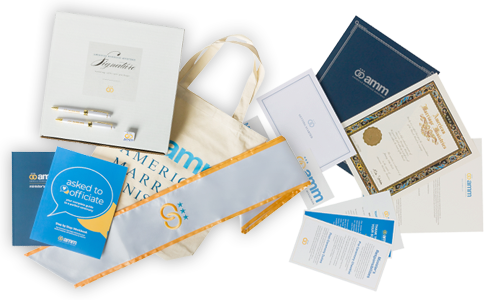
Our premiere package contains everyting you need to officiate like a pro.
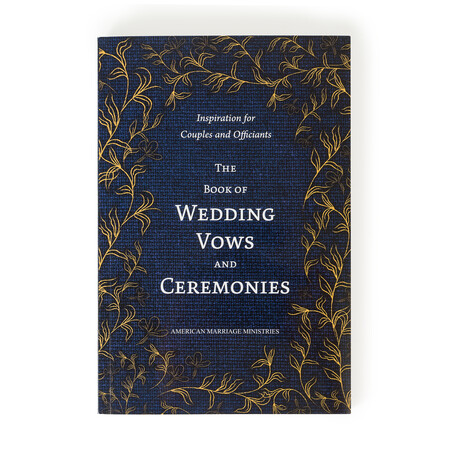
Timeless scripts and heartfelt vow inspiration to bring life to your ceremony.
Learn from the Pros to Officiate with Confidence!
POPULAR ARTICLES

Everything you need to know to officiate.

Need inspiration? Check out our free ceremony scripts!
Become a Wedding Officiant with Our Free Online Ordination!


