AMERICAN WEDDINGS BLOG
Stay up to date with the latest wedding ceremony trends, script writing inspiration, tips and advice for first-time officiants, and news that matters to couples and wedding ministers.
Stay up to date with the latest wedding ceremony trends, script writing inspiration, tips and advice for first-time officiants, and news that matters to couples and wedding ministers.
Published Friday, Jan. 23rd, 2026 | Last updated Thursday, May. 14th, 2026

Update 5/14/26: A note from Mr. Russ Rampton with the Utah County Clerk's office: "The language from SB 110 that would have severely limited remote appearance marriages did make a brief return in the original version of SB 257 (an omni-bus bill making several changes to Utah Family Law). Though the text of the bill to limit the practice was released publicly, prior to its introduction in a committee hearing, it had been substituted with updated language that would not limit the practice, but would require a warning placed on the website of the county issuing the license and a warning stated by the officiant. " These changes became effective May 6, 2026; find helpful resources for the officiant in the articles linked below!
To learn more about the new 2026 guidelines for officiating a remote marriage ceremony, check out the following articles:
Editor’s Note: After this article was published, AMM learned from a contact at the Utah County Clerk’s Office that at the January 23 committee hearing, Sen. Weiler said the version of 1st Sub SB 110 we reported on here had been shared in error. He clarified that the bill isn’t intended to include changes to remote appearance ceremonies. Sen. Weiler further clarified that the language referenced below may be part of a different marriage law bill he is working on and sponsoring, that has not yet been numbered or publicly released.
Weiler instead proposed a new substitute, 2ndSub SB110, which doesn't impact remote wedding ceremonies, and would only affect common law marriages in the state.
We will continue to update this article as more details become available, so readers can track any changes to online marriage legislation in Utah in the coming weeks. If you have specific questions about the bill's current language, please contact Sen. Weiler's office directly with your concerns.
How Will Marriage Laws Change in 2026? Legislation to Watch
Utah Senator Weiler proposed big changes to the state’s remote marriage laws this week with a bill that could bring an end to most fully-online weddings there. Here's what we know so far.
Currently, the state’s tech-savvy virtual marriage portal allows individuals anywhere in the world to apply for a Utah marriage license online and have their ceremony officiated by a Utah wedding officiant over video-conference – all without leaving home. The fully-online process has been refined in recent years, and is incredibly popular with both American couples and couples living abroad.
However, Sen. Weiler’s proposed changes would bring most of these ceremonies to a stop. As suggested in 1st Sub SB 110*, introduced this week, the new law would allow only two paths for online weddings:
*Please see the Editor's Note at the top of the page for corrections and updates on this legislation. The paths described below are no longer included in SB110.
Path one: Both individuals are Utah residents, and at least one partner is physically located in Utah during the ceremony.
Path two: Individuals are residents of any state or country, but both partners are physically located in Utah during the ceremony.
(In either case, the officiant must also be physically located in Utah while performing the wedding. This is an existing requirement and wouldn’t change.)
Given the scope of these proposed changes, AMM reached out to Russ J Rampton of the Utah County Marriage License and Passport Office to learn more. Rampton is the Digital Services Supervisor and Deputy Clerk for Utah County, and keeps a close eye on legislation in the state. Here's what he shared with us:
“As initially introduced, SB 110 would end the practice of "Common Law" marriage in Utah. Our office is neutral towards those provisions.
The first substitute version of the bill would greatly limit the current practice of remote appearance marriages. We first became aware of it yesterday afternoon, and we are actively reaching out to the sponsor and other legislators. We will also be participating in public comment during its committee hearing scheduled for later today. [Details below]
Our office would like to continue in the spirit of the bill passed in 2024 that allowed for remote appearance ceremonies with important safeguards."
View the committee hearing online at 2:00pm (MST) Friday, January 23, 2026 here:
► Utah Gov Committee Hearing: 1stSub SB110 Marriage Amendments
These proposed changes would impact couples not just here in the US, but around the world. Since the introduction of Utah County’s online marriage services in early 2020, the process has been embraced by couples near and far, including interfaith and same-sex couples who cannot legally marry in their home countries, disabled couples and military couples who cannot easily attend an in-person ceremony, and many more.
It first made headlines during the 2020 Coronavirus pandemic, providing vital services during an uncertain time that brought travel and in-person city services to a halt. It’s continued to make headlines internationally and here at home – for interfaith Israeli couples who married online because they couldn’t legally marry under Israel’s orthodox laws; for giving same-sex Chinese couples a way to celebrate their union; and for helping international couples complete important steps in their immigration process when travel isn't possible.
Important changes were made to the state’s online marriage laws in 2024, which strengthened protections for minors: Updates to Utah’s Virtual Marriage Laws Are in Effect This Month
Note: Jessica Levey (this article’s author) reached out to Sen. Weiler’s office directly for more information this morning but had not heard back at time of publication.


Choose Your Officiant with our "Will You Marry Us?" Gift Package.

Our premiere package contains everyting you need to officiate like a pro.
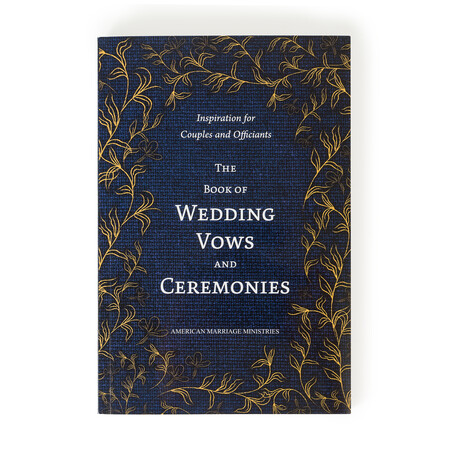
Timeless scripts and heartfelt vow inspiration to bring life to your ceremony.
Learn from the Pros to Officiate with Confidence!
POPULAR ARTICLES

Everything you need to know to officiate.

Need inspiration? Check out our free ceremony scripts!
Become a Wedding Officiant with Our Free Online Ordination!


