AMERICAN WEDDINGS BLOG
Stay up to date with the latest wedding ceremony trends, script writing inspiration, tips and advice for first-time officiants, and news that matters to couples and wedding ministers.
Stay up to date with the latest wedding ceremony trends, script writing inspiration, tips and advice for first-time officiants, and news that matters to couples and wedding ministers.
Published Thursday, Jul. 17th, 2025

“We’re going to do a domestic partnership for now,” John* tells me. When I ask why they’re choosing domestic partnership over getting married, he shrugs. “We’re not ready to plan a huge event yet.” *Name changed to preserve privacy.
John and his girlfriend, both in their late 20s, have been dating since high school. Their romance has survived long distance, undergrad, and even medical school – John’s girlfriend started her residency earlier this year near DC. But despite their clear commitment to each other, the couple isn’t considering marriage yet – all because of the high stress and cost to plan a traditional wedding.
Related: Can’t Afford a Wedding? How to Get Married for (Almost) Free
John tells me that they want to do it ‘right’ when they get married: have a big party, invite their extended families, and celebrate their partnership in a big way. A courthouse wedding doesn’t appeal to them, and since they can’t afford their dream wedding yet, they’re fine waiting until they can.
Still, they do want some legal protections and benefits as a couple. So until they're in a better position to marry, they're filing for a domestic partnership instead.
It got me wondering: How many Gen Zs are considering domestic partnership as an alternative to marriage because the cost of a traditional wedding is so high?
While many couples compromise with a low cost courthouse wedding or elopement if the budget is tight, other couples – like John and his girlfriend – don’t want to skimp on the celebration. How many couples are becoming domestic partners until they can afford the wedding they want? And are there other reasons these younger couples might file partnership paperwork before saying "I do"?
A little online research quickly revealed that John and his fiance aren’t alone…
While there’s no clear data on exactly how many Gen Zers are filing for domestic partnership or civil union as an alternative to marriage, it’s definitely something these younger couples are considering. I found multiple Reddit posts from the last several years, shared with increasing frequency – it's a trend.
Below is a closer look at what legal domestic partnership means, and why younger couples are making the switch from marriage.
|* custom-button, "https://theamm.org/store/products/will-you-marry-us-gift-package", "ASK A FRIEND TO OFFICIATE YOUR WEDDING" *|
(Photo: Polina Tankilevitch / Pexels)
So, what is a domestic partnership, exactly? A domestic partnership is a legally recognized relationship that has some (but not all) of the same legal protections, rights, responsibilities and benefits as marriage.
To qualify for a domestic partnership, couples must live in a jurisdiction that allows them and meet the local requirements, such as living together.
Couples can register for domestic partnership in a variety of ways depending on where they live. This process often involves signing official paperwork together and filing it with the local government or a state office.
Like John and his girlfriend, some couples are choosing domestic partnerships because they can’t afford a large traditional wedding, and don’t want a small one.
“My boyfriend (26) of 7 years and I (26) are weighing the pros and cons of a domestic partnership vs. legal marriage in California,” a Redditor in California writes.
“We don't want to spend the money to have a huge wedding, and we feel that if we had a small one, people in our lives would be offended (we both have very large families).
We aren't super high earners (make a little less than 100k combined/year) so aren't necessarily worried about a marriage penalty (don't know much about that). We've been together so long and want to make our time investment worth it (and we are also deeply in love!)”
Related: Fun Alternatives to a Courthouse Wedding (No Hassle Marriage Ceremony)
Some couples may choose domestic partnerships because their relationships don’t align with traditional views of marriage. For example, polyamorous couples might want to show their commitment without taking on the social expectations or legal labels that come with marriage. Other couples might want to access legal and financial benefits without ‘endorsing’ the institution of marriage, until that institution better reflects their values and principles.
“We just wanted to get insurance coverage set up, and [had] only been dating 2 years…” a Redditor says.
“Another factor for me is [that] I'm polyamorous, and really didn't want to get married again until that [poly marriage] was legal. My first marriage was in 2015, after the Supreme Court ruling legalizing gay marriage. And I just hate the idea of having to get married [again] when the marriage I want isn't legal.”
Related: Sample Vows for Polyamorous Wedding & Commitment Ceremonies
Couples who earn very large salaries can sometimes save money on their federal income taxes when they choose to enter a domestic partnership instead getting married. That’s because domestic partners file their federal taxes separately, instead of jointly.
“My fiancee (29F) and I (32M) are about to be married in CA,” a Gen Z couple writes. “We are both very high earners (200k+) and we own a house together. Because of our financial situation, getting married gives us a marriage penalty of an additional ~10k in taxes per year.
However, we recently found out that CA allows opposite-sex couples under 62 to become domestic partners now. Domestic partners get legal protections/ responsibilities like marriage does for things like community property, having children (we would both be their legal parents automatically), next of kin for inheritance/medical things, etc. but we would still count as single for federal tax purposes…”

(Photo: Worawee Meepian / iStock)
And other couples might consider alternatives to marriage to avoid losing some or all of their disability benefits. This marriage penalty is a result of outdated SSDI and SSI laws, and causes disabled adults to lose some or all of their financial support and health benefits when they get married.
However, it's important to note that even living together (or "holding out" as married) can put disability benefits at risk, and a domestic partnership will likely be viewed the same way as marriage. This could result in a loss of some or all benefits. If you get SSI and are thinking about registering a domestic partnership, it’s critical to speak with a Social Security representative or a disability benefits attorney first!
“I (24F) am planning to propose to my girlfriend (25F) in a few months. When the discussion of marriage comes up, we tend to go back and forth between that and just being domestic partners,” a young Gen Z writes.
“We both receive disability payments in the US, and we're both concerned that upon getting married our payments will become less or cancel altogether.”
Related: It’s Time to Eliminate the Marriage Penalty for Disabled Adults
And so on!
There are likely many more individual reasons and circumstances that make domestic partnership appealing to young couples. But legal partnerships are not available in all states, and each state creates their own laws governing domestic partnerships. Below are a few domestic partnership facts to consider before making a commitment.
If you’re considering domestic partnership as an alternative to marriage, here are a few things to consider
No, only a few states and local jurisdictions have laws allowing same-sex couples and opposite-sex couples to enter a domestic partnership or civil union.
These laws were initially introduced as a way for same-sex couples to receive legal benefits similar to marriage before same-sex marriage was legalized. (Now, they are available to same-sex or opposite-sex couples, as is marriage.)
States offering domestic partnership or civil union status (at time of writing):
California, District of Columbia, Maine, Nevada, Oregon, Washington and Wisconsin allow for domestic partnerships.
Colorado, Hawaii, Illinois, Vermont and New Jersey allow for civil unions.
For more information, check out this article by The National Conference of State Legislators: Civil Unions and Domestic Partnership Statutes
While the legal benefits of domestic partnership and marriage are similar, there are important differences. These differences also vary by jurisdiction – meaning they depend on where you file for domestic partnership or marriage. In general, married couples are entitled to more benefits and protections than domestic partners.
For example, married couples file their federal taxes jointly, while domestic partners do not. And in California, marriages allow for immigration sponsorship between partners, as well as sharing social security / pension benefits, while domestic partnerships may not (via Najera Law Group).
If you’re weighing your options, we strongly recommend that you talk to a lawyer about your unique circumstances.
Not exactly: Filing for a domestic partnership will cost less money than throwing a traditional wedding celebration, but domestic partnerships don’t always save a couple money in the long run.
For example, domestic partners file their federal taxes separately, which means they won’t qualify for any shared tax benefits. In addition, inheritances, pensions, social security, and retirement benefits don’t automatically transfer to a domestic partner. (You may need to file additional paperwork or create an explicit will). And some couples discover that their individual insurance plans are cheaper than a family plan.
Because every couple’s family and financial situation is different, it’s important to consider your own needs before you decide between a domestic partnership and marriage. When in doubt, consult a lawyer!
What do you think? Will we see more of this trend among Gen Z, or Gen Alpha in the coming years as they reach adulthood? Check out the list below to see a few more marriage trends we're watching!
|* ordination-button *|

(Photo by Jametlene Reskp on Unsplash)


Choose Your Officiant with our "Will You Marry Us?" Gift Package.
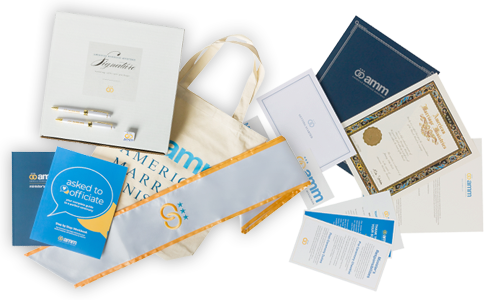
Our premiere package contains everyting you need to officiate like a pro.
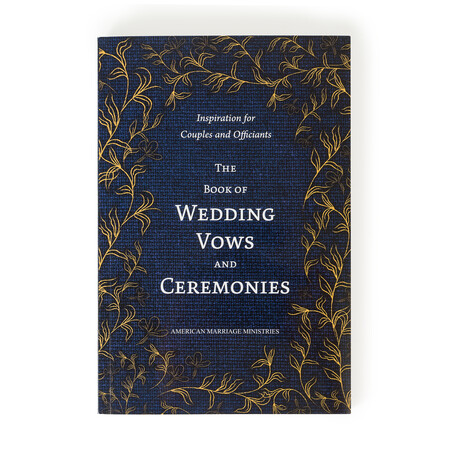
Timeless scripts and heartfelt vow inspiration to bring life to your ceremony.
Learn from the Pros to Officiate with Confidence!
POPULAR ARTICLES

Everything you need to know to officiate.

Need inspiration? Check out our free ceremony scripts!
Become a Wedding Officiant with Our Free Online Ordination!


