AMERICAN WEDDINGS BLOG
Stay up to date with the latest wedding ceremony trends, script writing inspiration, tips and advice for first-time officiants, and news that matters to couples and wedding ministers.
Stay up to date with the latest wedding ceremony trends, script writing inspiration, tips and advice for first-time officiants, and news that matters to couples and wedding ministers.
Published Friday, Jun. 5th, 2026 | Last updated Monday, Jul. 6th, 2026

Ready to start wedding planning? Creating a realistic budget is a practical and necessary first step! Follow these simple suggestions to make a wedding budget that works for you – and your future goals!
Listen Now:
Sit down together and decide how much you’re willing to spend on a wedding celebration. Are you willing to go into debt to fund it – with a small loan or new credit card – or do you want to pay out of pocket from your savings? How many months do you have to save, and how much can you reasonably save each month? If friends and family members have offered to pitch in, ask how much each person is contributing. Write down the exact dollar amounts from each category to create your maximum spending budget:
(Amount from income and savings) +
(Amount from new debt, if any) +
(Amount from friends and family, if any) =
(Your spending cap)
Interested in average wedding costs? Check out:
Now, decide what matters most to you both on the wedding day. Is it great food? A live band? Renting the ballroom at the city aquarium? Flying your grandparents in from out of state? Write down your top three priorities, consider whether they’re worth splurging on, and calculate how much each of these items will cost. Write down the number. Then, deduct that amount from your total spending budget. The remaining amount is what you have to work with for planning the rest of your celebration!
Related: You Don’t Have to Choose Between Planning a Wedding & Buying a House
Next, draft a guest list. This can be fine-tuned later, but you need a rough headcount to choose a venue and budget for expenses. Keep in mind that every additional guest can add $200 or more to your budget – the more guests you invite, the more you’ll probably spend on food, drinks, equipment rentals, and space (venue size).
With an approximate idea of how big your gathering will be, you can start searching for a venue that’s the right size, and the right price.
Consider using the “50/30/20 budget rule” adapted for weddings to make planning more manageable. Financial experts suggest this guideline as a strategic way to organize your expenses, without getting overwhelmed. Here’s how to use it for budgeting a wedding.
Divide the remaining amount you have to spend (after deducting your three priorities) into three “buckets.” Each bucket represents a percentage of your available wedding fund:
Use these resources to estimate common costs in each spending category:
Now that you know how much you have to spend, start shopping! Compare rates, interview vendors, and take notes on the average costs in your area. You might discover some things cost more, or less, than you expected – which will help you with the next step!
Next, make adjustments to your wedding vision as needed, based on what you’ve learned from the budgeting and research process. Are there any elements you’d like to keep, cut, or add?
Here are a few real-world examples of how couples get creative to make their money stretch farther:
Many couples choose to have a close friend or relative officiate their wedding ceremony to save money, instead of paying a professional officiant fee. Having a loved one perform your wedding has the added bonus of making the day incredibly meaningful and intimate too.
Some couples decide to get married at home to avoid a traditional venue rental fee, which gives them more to spend on food, drinks, entertainment, and other fun elements. Others plan a trendy “brunch wedding” or “restaurant wedding” at their favorite local spot to create a unique experience for a flat fee, or rent a low-cost church for the ceremony, even when they’re not religious.
Related: Free Places to Get Married (Don’t Go Into Wedding Debt!)
Once you start making deposits on your venue, vendors, and big purchases, it’s essential to keep track of each and every dollar. Even small purchases can add up fast! Use a free or paid spreadsheet service, digital planner, or planning app to monitor your spending.
Review how much you’ve spent, and what’s left to purchase as the wedding date approaches. Money can be a tense topic for a lot of couples, so take the pressure off and make a date of it! Meet at your favorite cafe with your laptop and notebooks, or brew a batch of iced tea for a relaxed conversation on the couch.
Ready to start planning? Follow these eight simple suggestions for a stress-free approach to budgeting your wedding celebration!
Want more advice on covering your wedding costs and which items to prioritize paying for? Check out AMM’s most popular articles on the topic:
Ask a friend, family member, or even your favorite coworker to officiate your wedding! Officiating a wedding is easy with free online ordination through American Marriage Ministries (AMM).
|* custom-button, "https://theamm.org/non-denominational-ordination", "BECOME A WEDDING OFFICIANT" *|
American Marriage Ministries is an inclusive nondenominational internet church that ordains and trains ministers to officiate marriage ceremonies. We're a recognized 501(c)(3) nonprofit church, and help people from all backgrounds and beliefs become ordained ministers for weddings. Our online ordination is free, accessible, and never expires.
|* custom-button, "https://theamm.org/store/products/will-you-marry-us-gift-package", "'WILL YOU MARRY US?' OFFICIANT GIFT BOX" *|

Become an ordained minister with free online ordination from AMM to officiate weddings for friends and family! (Photo: Tash Jones - Love Luella Photography / iStock)


Choose Your Officiant with our "Will You Marry Us?" Gift Package.
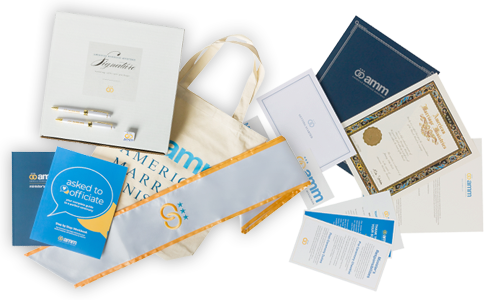
Our premiere package contains everyting you need to officiate like a pro.
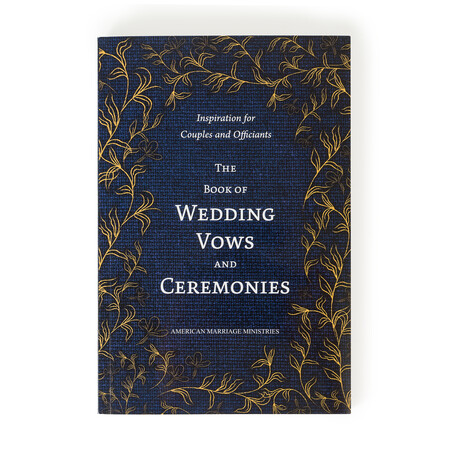
Timeless scripts and heartfelt vow inspiration to bring life to your ceremony.
Learn from the Pros to Officiate with Confidence!
POPULAR ARTICLES

Everything you need to know to officiate.

Need inspiration? Check out our free ceremony scripts!
Become a Wedding Officiant with Our Free Online Ordination!

.jpg)


