AMERICAN WEDDINGS BLOG
Stay up to date with the latest wedding ceremony trends, script writing inspiration, tips and advice for first-time officiants, and news that matters to couples and wedding ministers.
Stay up to date with the latest wedding ceremony trends, script writing inspiration, tips and advice for first-time officiants, and news that matters to couples and wedding ministers.
Published Friday, Apr. 3rd, 2026 | Last updated Saturday, Apr. 4th, 2026

Lavender Marriage is having a renaissance moment in the US. These non-traditional marriages used to be a necessity, helping to protect some LGBTQ+ folks from discrimination. But thanks to innovative Gen Z friendships and a clever rebranding of the concept, lavender marriages now appeal to more people than ever before. Which leads us to a very important question: who officiates a lavender marriage ceremony?
Choosing the right officiant is one of the most important practical steps in making a lavender marriage legally official, and it’s something couples often overlook until later in the planning process.
Before we answer the wedding officiant question, there are a couple of things to keep in mind – especially if you only have a general idea of what lavender marriage is, but aren’t up on queer history.
Understanding the history of lavender marriage can help you make the best decision when choosing an officiant who aligns with your values and relationship dynamic.
Note: This article is for education purposes and is not legal advice. When we discuss platonic marriages, we refer to authentic partnerships between close friends and companions, with shared goals and values who wish to build a life together. If you're considering a platonic marriage, and marriage in general, it's important to understand the legal definitions of marriage, marriage fraud, and "sham marriages." Please reach out to an attorney with specific questions as needed. To learn more about the risks of marriage fraud in international marriages, head to the ImmigrationHelp.org Learning Center.)
The term ‘lavender marriage’ has been around since the early 1900s, and became widely used in 1920s and 1930s Hollywood. The term originally described a legal marriage between opposite-gender people, in which one or both partners is gay. The definition has expanded among Gen Zs in the past few years, however, and is now sometimes used to describe many kinds of platonic marriage between friends.
These platonic partnerships provide all the usual legal benefits of marriage, including insurance benefits, shared household responsibilities and costs, and help with child-rearing, but they aren’t based on a romantic / sexual attraction like traditional marriages often are.
For many people, modern lavender marriages aren’t about redefining marriage, but about creating a practical, legally recognized partnership that supports their shared life goals.
The term “lavender marriage” hasn’t always been about you and your gay bestie living your best life together, splitting the mortgage, taking advantage of tax breaks, and raising your kids in community.
In the past, most people who were "lavender married" did so to conceal their sexuality. This is still a common reason for lavender marriage among LGBTQIA+ people in countries where same-sex marriage is illegal, or within religions and cultures that disapprove of queer relationships.
Lavender marriages were historically chosen by LGBTQ+ folks for physical safety, career advancement, or because of family pressure and societal expectations to marry. In some historic lavender marriages, both partners knew they were in a platonic marriage, but not always.
Related: Marry Your Gal Pal! Let’s Bring Back ‘Boston Marriage’
These days, people in their 20s, 30s, and even older are once again considering “lavender marriages” for practical reasons – marrying a gay best friend or close friend of any gender because it’s more affordable to live with a partner than alone, and because there’s a tremendous emotional security in knowing someone will be there to support you long term.
And given the dismal state of dating apps for many 20-somethings, marrying a close friend is looking better than ever. Who has time to wait for love to build a life – and why should single people be penalized for refusing to settle? Platonic marriages offer all the legal and financial benefits of traditional marriage – without the romantic complications.
Now back to the question of the day…
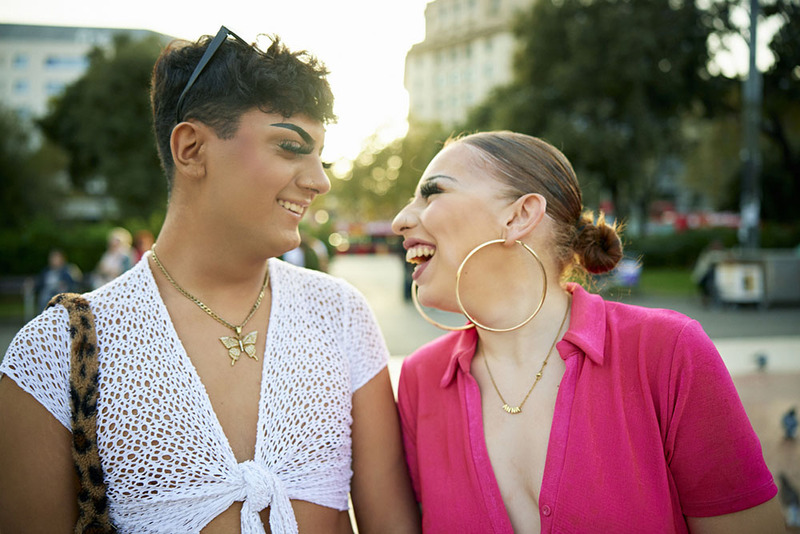
(Photo: xavierarnau / iStock)
The best choice for your wedding officiant will be someone who understands and appreciates the unique “why” behind your lavender marriage. In most cases, people choose between hiring a professional or asking a close friend or relative to become ordained and lead the ceremony themselves. Each option has different tradeoffs in terms of cost, personalization, and overall experience.
|* custom-button, "https://theamm.org/store/products/will-you-marry-us-gift-package", "HAVE A FRIEND OFFICIATE YOUR WEDDING!" *|
Having a friend or relative officiate your lavender marriage ceremony is often the best choice, because you don’t have to explain what makes your relationship so special to someone who sees it every day! A close loved one will be able to write a custom wedding ceremony script that celebrates your friendship and the future ahead, and you can thank them with a nice gift or dinner instead of cutting them a check.
This option is especially popular for lavender marriages because it keeps the ceremony personal, authentic, and closely reflects the trust and friendship at the center of your commitment. And you won’t have to explain why there’s no kiss at the end!
Related: Lavender Marriage Wedding Ceremony Script
Here’s what your friend needs to do to perform your wedding ceremony:
If you’re planning a lavender marriage and want the most flexible, personal, and affordable wedding officiant option, having a friend officiate is usually the simplest choice!
|* ordination-button *|
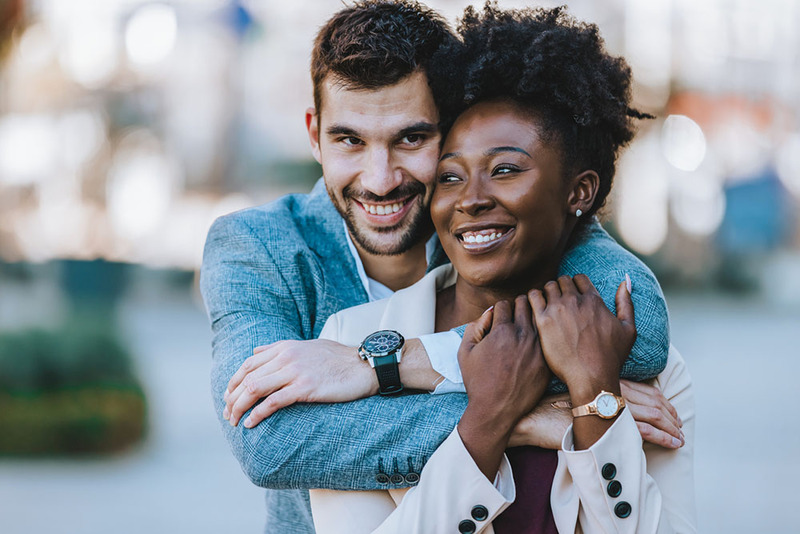
(Image credit: RealPeopleGroup / iStock)
When hiring a professional wedding officiant, we recommend choosing one who supports marriage equality, especially if one of you is openly part of the LGBTQ+ community! An inclusive wedding officiant will help you feel seen and celebrated on the wedding day, just as you are. They may already be aware of the modern lavender marriage trend, too. A professional officiant can write a personalized wedding ceremony script that isn’t “romance and rainbows” – since that’s not what your marriage is about!
A professional wedding officiant usually costs between $100-$300 for a quick license signing service; $200-$600 for a microwedding or elopement; and $400-$2,000 or more for a large wedding ceremony. The total price depends on multiple factors. Check out the following article for all the details to budget for when hiring a professional officiant:
Choose this option if you’re willing to pay for convenience, experience, and a structured ceremony process. This is helpful if you want a more guided approach instead of handling the ceremony logistics yourself.
Love it? Pin it!
Follow American Marriage Ministries on Pinterest


Choose Your Officiant with our "Will You Marry Us?" Gift Package.
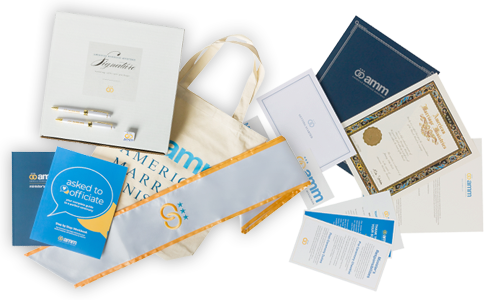
Our premiere package contains everyting you need to officiate like a pro.
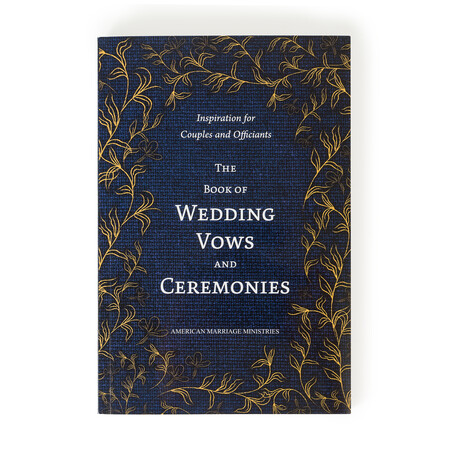
Timeless scripts and heartfelt vow inspiration to bring life to your ceremony.
Learn from the Pros to Officiate with Confidence!
POPULAR ARTICLES
Everything you need to know to officiate.

Need inspiration? Check out our free ceremony scripts!
Become a Wedding Officiant with Our Free Online Ordination!


