AMERICAN WEDDINGS BLOG
Stay up to date with the latest wedding ceremony trends, script writing inspiration, tips and advice for first-time officiants, and news that matters to couples and wedding ministers.
Stay up to date with the latest wedding ceremony trends, script writing inspiration, tips and advice for first-time officiants, and news that matters to couples and wedding ministers.
Published Monday, Jun. 23rd, 2025

We just read about the unsettling case against Kristin Marie Spearman, who fraudulently filed a marriage license in Texas earlier this year – thus marrying her ex-boyfriend without his knowledge or consent. It’s a wild story, and we thought you may want to know if this could happen to you.
While it is technically possible to marry someone without their knowledge, as this case demonstrates, it would require breaking the law. And several legal safeguards are in place to help stop it from happening.
Let’s take a closer look at this Texas case, what went wrong, and some of the safeguards that help prevent marriage fraud.
According to various reports, Kristin Marie Spearman and her ex-boyfriend broke up shortly after purchasing a marriage license together. Although the ex no longer wanted a relationship, that marriage license was still in Spearman’s possession.
Reports say that Spearman convinced a local pastor to complete the marriage license without her ex’s knowledge, and then she filed it with the clerk’s office. Thus, the couple looked married to the state, despite the license being completed without the ex’s consent.
Later, Spearman left a package on her ex’s front steps that included a photo of herself holding the certified marriage certificate. When the ex figured out what had happened, Spearman was arrested on a third-degree felony stalking charge and taken to jail.
This case underscores several common misunderstandings about the marriage license process, and one big mistake on the wedding officiant’s part: this local pastor signed a marriage license without both parties being present and consenting to the marriage.
In Texas, no legal wedding ceremony or license signing can take place unless both parties to the marriage are present to consent, or a proxy has been declared. A proxy is a person who signs an affidavit to ‘stand in’ for a partner who can’t attend their own ceremony, usually due to illness, incarceration, or active military service. In this case, only one party consented (Spearman), and there was no proxy.
Although the pastor has since “expressed his sincere remorse for the occurrence," investigators say, we assume there’s still a chance he’ll face legal consequences for failing to follow state marriage laws. Because the wedding officiant overlooked this common safeguard, Spearman was able to file the license without her ex’s permission. (Wedding officiants take note!)
Let’s look at some other common safeguards and rules around the marriage license process that help prevent this sort of thing from happening – and how these safeguards might fail.
In most cases, you and your spouse-to-be must apply for your marriage license together, either in person or by virtual appointment, with the clerk’s office. During your appointment, you’ll provide documentation that confirms your identity, age, and legal ability to marry (proof of divorce, emancipation status, etc.) There are steep penalties for being dishonest on a marriage license application.
This thorough application process is a strong safeguard against someone applying for a license on your behalf without your knowledge.
In the unusual Texas stalker case described above, it’s been reported that Spearman and her ex applied for their license together before they broke up. If the ex hadn’t been present at the appointment, the license wouldn’t have been issued.
In most states (but not all), a marriage license expires after a certain period of time. This means that a couple must get married within that period of time – either by holding a traditional wedding ceremony, elopement ceremony, or license signing. But if a marriage license expires before it’s used, it’s no longer valid and the couple must reapply for a new one if they still want to get married.
This safeguard can be helpful if a couple changes their mind about marriage after purchasing a marriage license. In many cases, couples don’t need to do anything special with an unused or expired marriage license if they change their minds – the paperwork won’t have legal meaning after its expiration.
But there are exceptions to be aware of: In some jurisdictions – including South Carolina and New Mexico, among others – a marriage license never expires and can be used indefinitely. In this case, it’s important to return an unused marriage license to the clerk’s office if you change your mind before the wedding day.
In Texas, a marriage license is valid for only 90 days before it expires. Because the couple described above broke up shortly after purchasing their license, before the expiration date, it was likely still valid when Spearman took it to the pastor to sign.
In most states, a marriage ceremony must include a ‘declaration of intent’ from each person getting married. This part of the ceremony serves as the couple’s verbal agreement to the marriage contract. And although the wording can vary, you’ll probably recognize it as the couple’s ‘I do’s. The wedding officiant asks the couple "Do you want to get married?” Followed by the familiar “We do!”
This is an important component of a ceremony because it ensures both parties willingly agree to the marriage. Even when a person can’t attend their own wedding ceremony (due to illness, incarceration, or military service), they must have a proxy in their place who can declare their intent to marry – to give their ‘I do.’
This is the important safeguard that was overlooked by the pastor in the case described above, and a strong reminder of how vital officiants are in overseeing the marriage process. The pastor signed the marriage license with only Kristin Spearman’s word that she and her ex wanted to get married. The ex wasn’t there to declare his intent – or his refusal – and the paperwork was completed without his consent.
Learn More:
In most states (but not all), the officiant who performs a marriage ceremony is in charge of returning the completed marriage license to the clerk’s office where it can be filed and recorded. And in general, the officiant is obligated to return a completed license even if one or both parties regret going through with the wedding.
This can be a helpful safeguard against someone filing a marriage license without your knowledge, as well as someone disputing a valid license. When wedding officiants act as a neutral third person who oversees the return process, they help to ensure only truthfully-completed licenses are given to the clerk.
But there are exceptions to be aware of: Some states allow the parties to a marriage to return their own marriage license. In these states, either person named on the license can return it to the clerk’s office after it’s been signed by the officiant.
And there’s more! The Spearman case reflects an interesting contradiction between state law and what sometimes happens in the real world: although Texas law states that an officiant must return the marriage license themselves (or face monetary penalties), some county clerk websites in Texas instruct couples to return their own license instead.
The Tarrant County Clerk, for example, says “Once the ceremony has been performed and the license completed, the recording process can be expedited by the license being hand-delivered to one of our eight locations. If received from one of the persons on the license, the recording process will happen while you wait. If not, the recorded license must be mailed to the newlyweds.”
(This matter is even being discussed in detail by Texas lawmakers this year: 2025 Texas Lawmakers to Decide Who Returns a Marriage License)
Learn more:
The takeaway here is that although the recent case in Texas is unsettling, it’s rare. It’s making headlines in part because of how difficult it is to marry someone without their knowledge – especially with capable clerks and trustworthy wedding officiants overseeing the process.
|* custom-button, "http://customlinkhere.com", "GET ORDAINED IN TEXAS!" *|


Choose Your Officiant with our "Will You Marry Us?" Gift Package.

Our premiere package contains everyting you need to officiate like a pro.
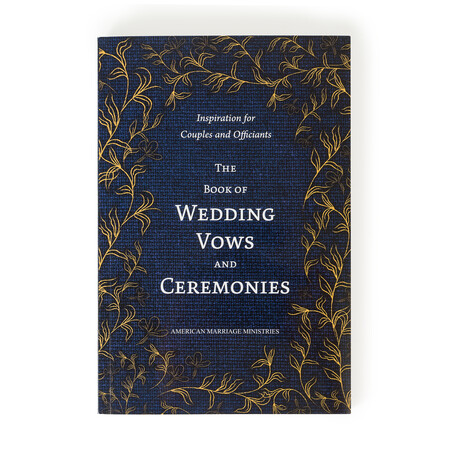
Timeless scripts and heartfelt vow inspiration to bring life to your ceremony.
Learn from the Pros to Officiate with Confidence!
POPULAR ARTICLES

Everything you need to know to officiate.

Need inspiration? Check out our free ceremony scripts!
Become a Wedding Officiant with Our Free Online Ordination!


