AMERICAN WEDDINGS BLOG
Stay up to date with the latest wedding ceremony trends, script writing inspiration, tips and advice for first-time officiants, and news that matters to couples and wedding ministers.
Stay up to date with the latest wedding ceremony trends, script writing inspiration, tips and advice for first-time officiants, and news that matters to couples and wedding ministers.
Published Friday, Aug. 14th, 2026 | Last updated Monday, Aug. 17th, 2026

Having divorced parents can make a wedding ceremony seating chart feel more like a literal minefield than a simple question of who sits where. Traditional wedding seating etiquette has strict rules for aisle seats and first rows, but modern families are often structured in ways that would make a 1950s wedding planner gasp. Instead of two parents, you might have four – or more – to seat at the ceremony. So let’s skip the pearl clutching over your parents' new partners and focus on updated seating arrangements that keep things calm and respectful on the wedding day!
Traditionally, wedding seating etiquette places the bride’s family and friends on the left side of the center aisle, and the groom’s family and friends on the right. The front rows were carefully-arranged assigned seating, giving each partner’s closest family the best view of the ceremony. Mothers were given the seat of honor – front row or pew, closest to the aisle – with fathers seated beside them. Next, grandparents and other elders, siblings, and so on.
But modern families require modern options! Let's take a look.
When divorced parents get along well, the best solution is often to seat them as “traditionally” as possible, sharing the front row with each other along with any new stepparents or significant others, half siblings, and so on. Blended families like this can be such a blessing!
But when divorce creates tension between parents, or when parents, stepparents, or recently-added significant others don’t get along, the front row feels a lot more crowded. In this case, it’s time to spread out.
Advice from Emily Post dot com suggests placing divorced mothers in the first row, and divorced fathers in the second row, with each parent seated beside their current significant others and any stepchildren. Several wedding blogs and venues agree with this philosophy, including The Veil Wedding Loft and Margo and Bees, with both sites saying that having dad sit in the second row during the ceremony creates a respectful distance between parents.
On the other hand, many children of divorced parents will disagree with this arrangement, maybe because they’re closer to their father than their mother, or out of concern that moving Dear Old Dad to “second place” will create more conflict than it solves. Either swap the parental placement here, or move on to our third option…
If both sets of parents are divorced (both you and your fiancé’s parents), or you were raised by multiple stepparents you’d like to include in the ceremony, consider "quadrant" seating with strategic buffers in between. In this arrangement, mothers sit in either the center aisle or outer edge seats of the first row, joined by any significant others and children. Fathers sit in the same section and row, but on the opposite side – either the center aisle or outer edge, depending – joined by any significant others and children. Grandparents, siblings, and other close family members are placed between them, creating a buffer zone and plenty of distance between them during the ceremony.
If the concept of row hierarchy is giving you a headache, consider modern circle seating for your ceremony instead. With a circular seating arrangement, close family members can take a seat anywhere in the innermost circle to watch your vows – or you can place assigned seating tags on each chair to ensure combative parents don’t end up directly across from each other. (No dagger eyes during the wedding, folks!)
Regardless of the seating arrangement you choose, you will want to inform your parents and ushers ahead of time to prevent day-of ceremony drama. It can be easier to create space between divorced parents during the reception, but during the ceremony, clear communication and expectations will help keep things calm and pleasant for the 15 to 20 minutes you’re gathered together to celebrate the start of your marriage!
Personalize your wedding ceremony by having a friend serve as your wedding officiant! Friends can officiate a wedding by getting ordained online with American Marriage Ministries. Our ordinations are free and it only takes a couple seconds to complete the online application to become a minister.
|* ordination-button *|
American Marriage Ministries is an inclusive nondenominational internet church that ordains and trains ministers to officiate marriage ceremonies. We are a recognized 501(c)(3) nonprofit church, and help people from all backgrounds and beliefs become ordained ministers for weddings. Our online ordination is free, accessible, and never expires.
AMM Ministers can legally officiate weddings across the U.S. After getting ordained with AMM, you might need to register your ordination with your local county clerk’s office. Click the link above to get started!

Become an ordained minister online with American Marriage Ministries and officiate wedding for friends and relatives. (Photo: iStock)


Choose Your Officiant with our "Will You Marry Us?" Gift Package.
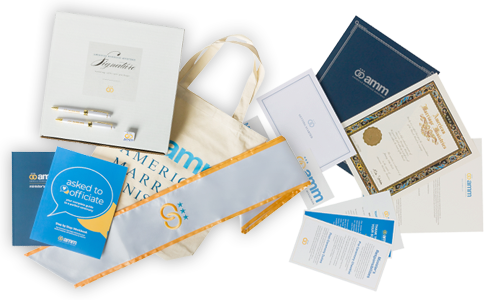
Our premiere package contains everyting you need to officiate like a pro.
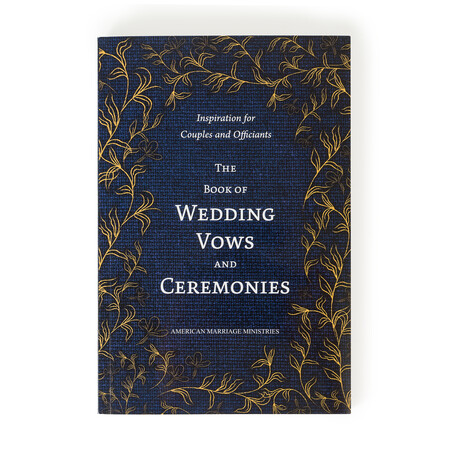
Timeless scripts and heartfelt vow inspiration to bring life to your ceremony.
Learn from the Pros to Officiate with Confidence!
POPULAR ARTICLES

Everything you need to know to officiate.

Need inspiration? Check out our free ceremony scripts!
Become a Wedding Officiant with Our Free Online Ordination!


